Skip to content


Table of Contents
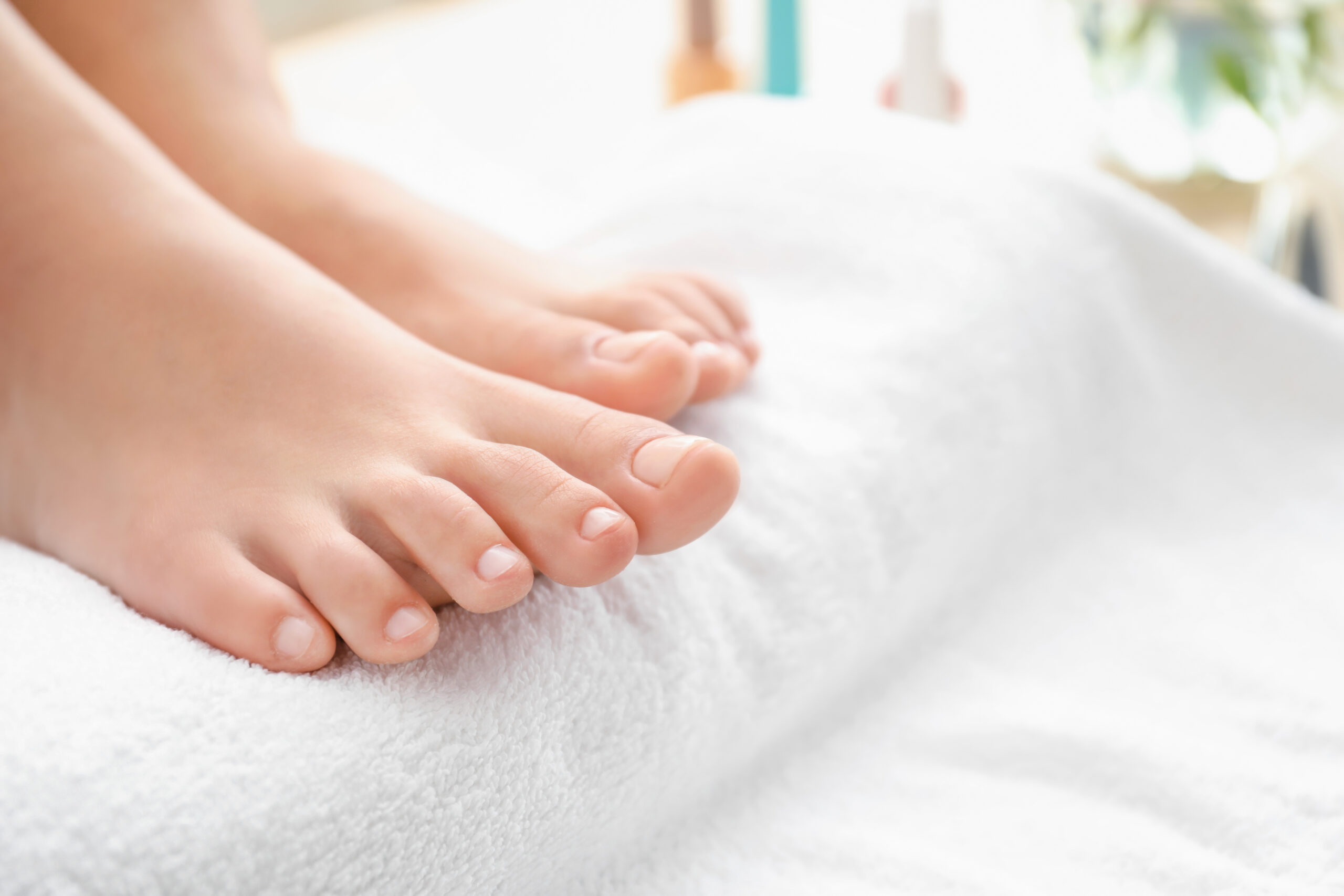
Most people booking a pedicure are choosing between two versions of the same service without quite knowing what separates them. At Glamour Nail and Spa in Union, KY, that question comes up at the front desk almost every week. The honest answer is simpler than it sounds: a paraffin pedicure is a regular pedicure with one additional step at the end, and that step is entirely about your skin.
Understanding paraffin pedicure vs regular pedicure comes down to three things: what the warm wax actually does, whose feet get the most from it, and when the standard service already covers what you need.
Is A Paraffin Pedicure Different From A Regular Pedicure?
A paraffin pedicure includes every step of a regular pedicure, then finishes with a warm wax treatment that softens and hydrates the skin. The nail care is identical in both versions, so the difference shows up in how your skin feels afterward.
What Both Pedicures Have In Common
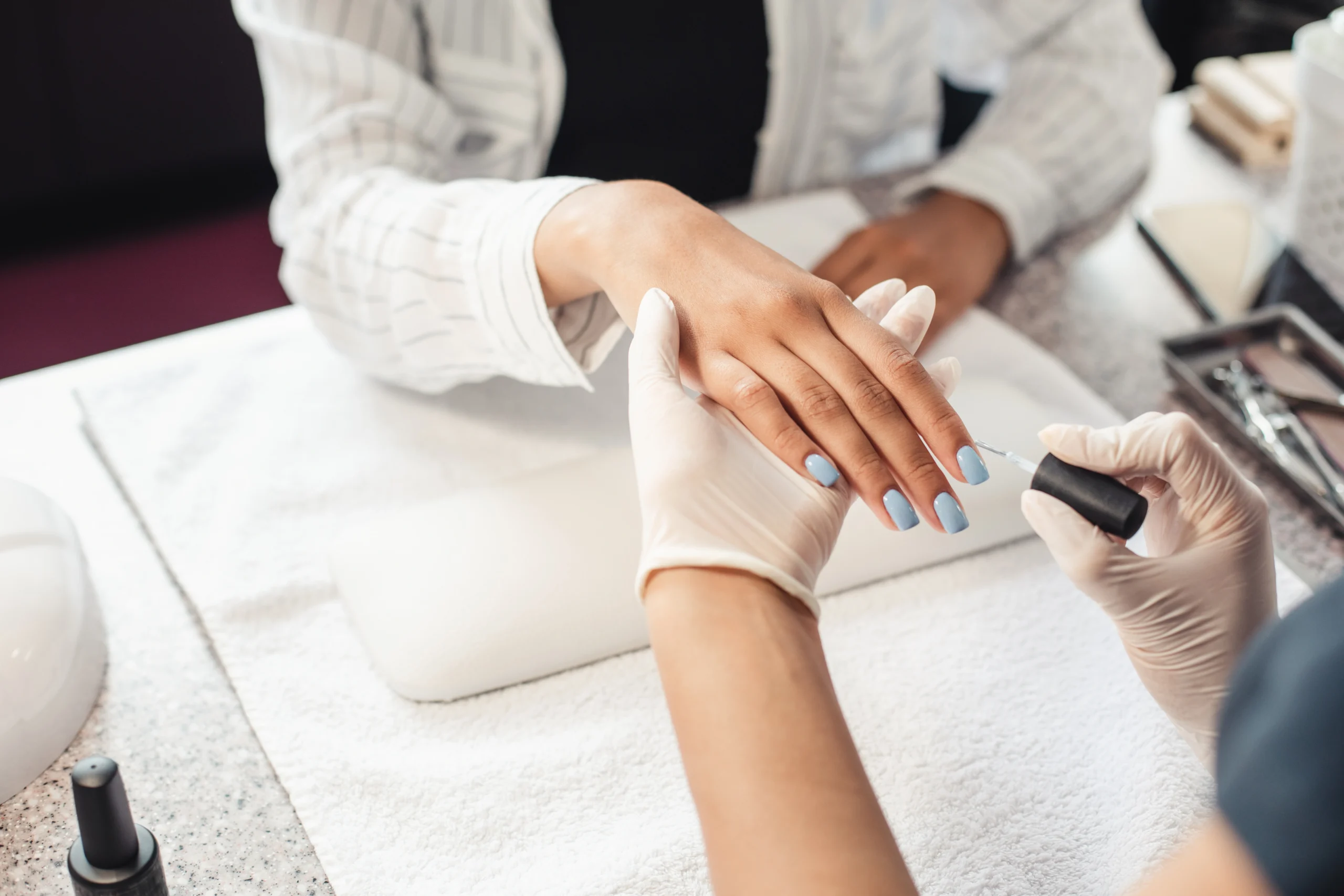
Both services start the same way and cover the same ground. Your feet soak, dead skin is removed from the soles and heels, hard skin and calluses are softened, and your toenails are trimmed, filed, and shaped. Cuticles are cleaned up, and both include a massage of the feet and lower legs that tends to be the part people look forward to most. Both finish with the polish or gel color you choose.
The paraffin service at Glamour Nail and Spa includes everything the signature pedicure offers, then adds the wax treatment on top. This is worth stating plainly, because the comparison is not between two different treatments. It is a decision about one added step.
What The Paraffin Step Adds
Paraffin is a soft cosmetic wax that is warmed until it melts. After the standard pedicure work is finished, your feet are dipped into the warm wax a few times, then wrapped so the wax sets and holds its heat against the skin. It stays on for several minutes before it is peeled away in one piece.
The warmth is doing the work here. Gentle heat opens the pores and helps the moisturizing oils on the skin absorb more deeply instead of evaporating off the surface. As the wax cools, it forms a temporary seal that keeps that moisture where it belongs. Among the benefits of paraffin pedicure treatments, most clients mention the sensation first. Warm wax on tired feet and stiff joints is the most relaxing part of the appointment.
Paraffin Vs. Regular: The Differences You Will Notice
The clearest difference is in the skin. A regular pedicure removes dead and hardened skin very effectively. A paraffin wax pedicure does that same removal, then rehydrates what remains, which is why it is often described as a moisturizing pedicure rather than just a cleanup.
A few other practical differences are worth knowing:
- Appointment length. Paraffin adds time for the dip, the wrap, and the set. Plan for a slightly longer visit.
- Best fit. Paraffin favors dry, rough, or cracked heels. A regular service is plenty for skin already in good condition.
- Nail results. These are the same either way. The wax works on skin, not on nails, so your polish or gel finish is unaffected.
Who Gets The Most Out Of A Paraffin Pedicure
If your heels crack or callus quickly between visits, this is the version built for you. A pedicure for dry feet that stops at exfoliation often leaves the skin smooth but still thirsty, and the roughness returns faster. The wax step helps that softness hold on longer.
Northern Kentucky winters make a strong case for it as well. Months of indoor heat and closed shoes pull moisture out of the skin, and by February most feet are noticeably drier than they were in September. Anyone who spends long days standing, walking, or on their feet at work tends to appreciate both the hydration and the warmth, especially when their feet ache at the end of a shift.
When A Regular Pedicure Is The Better Choice
Skin that is already soft and well moisturized does not need the extra step. If you moisturize consistently at home and your heels stay smooth, a standard service delivers the same nail care and the same finish in less time.
Timing counts too. A regular pedicure fits more comfortably into a lunch break or a tight schedule. Summer is another reasonable time to skip the wax, since sandals and humidity keep feet from drying out the way they do in colder months. Many clients alternate, choosing paraffin through the winter and the standard service the rest of the year.
Who Should Skip The Paraffin Wax
Warm wax is not appropriate for everyone, and this is the part of the decision that deserves real attention. Let your technician know about any of the following before your appointment:
- Diabetes or peripheral neuropathy, where reduced sensation makes heat harder to judge accurately
- Poor circulation in the feet or legs
- Open cuts, cracks that have broken the skin, rashes, or any active skin infection
- Recent sunburn or broken blisters on the feet
None of these rule out a pedicure. They simply mean the standard service is the safer choice that day. If you are unsure where you stand, check with your physician first.
How Long The Difference Lasts
The softening from paraffin is noticeable for several days rather than permanent. How long it holds depends largely on what you do at home, and moisturizing at night with socks on afterward extends it considerably for most people.
As for scheduling, dead skin generally rebuilds over about four to six weeks, which is why that window is the common recommendation for regular pedicure benefits. Paraffin does not change that timeline, and it does not extend how long your polish or gel wears.
Choosing The Pedicure That Fits Your Feet
Neither option is better across the board. Dry, hard-working feet get more from the wax, and well-maintained skin does perfectly fine without it. If you have been searching for a paraffin pedicure near Union, KY, and are still undecided, our technicians will look at your skin and tell you honestly which one makes sense that day. Looking for softer, smoother feet?
Book a Paraffin or Regular Pedicure at Glamour Nails & Spa III (Union) in Union, KY, and choose the treatment that best fits your foot-care needs.